
What Is the Section 179 Tax Deduction?
Section 179 is a federal tax deduction that lets many businesses deduct the full cost of qualifying equipment in the year it is placed in service, instead of spreading it over several years. Qualifying vehicles and equipment can count. Your tax advisor can confirm what applies to you.
Who Qualifies?
Section 179 is for businesses that buy qualifying equipment and use it for work. Vehicles generally need more than 50% business use. Work trucks and vans over 6,000 lbs GVWR often qualify for the full deduction, while some SUVs are capped at $32,000. Your tax advisor makes the final call.
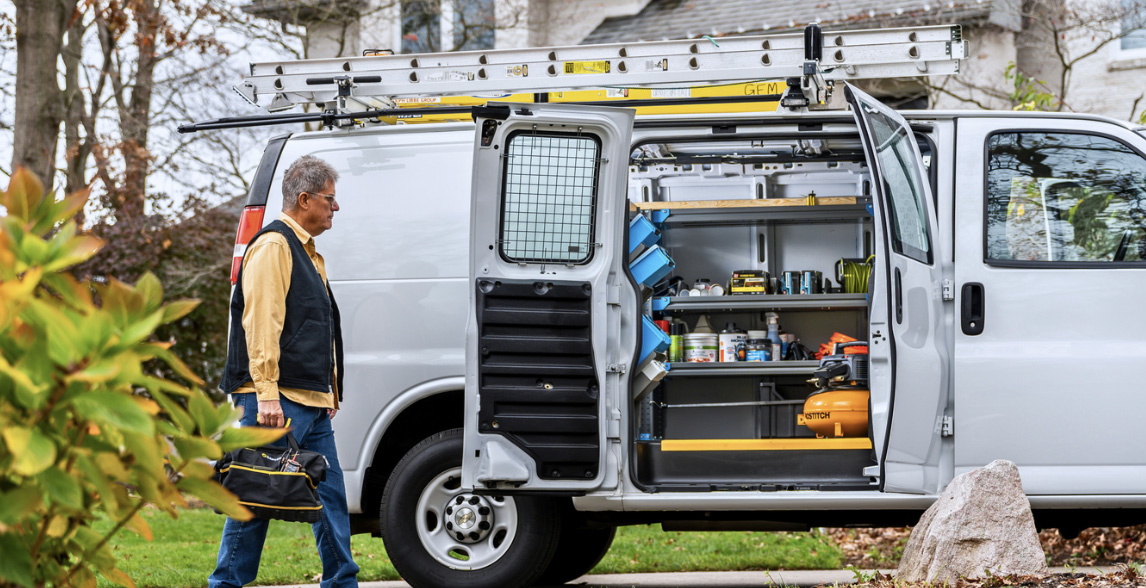
What Could Section 179 Save on a Work Truck or Van?
Savings depend on your tax situation. These are estimates, not quotes. Use the calculator for your own numbers.
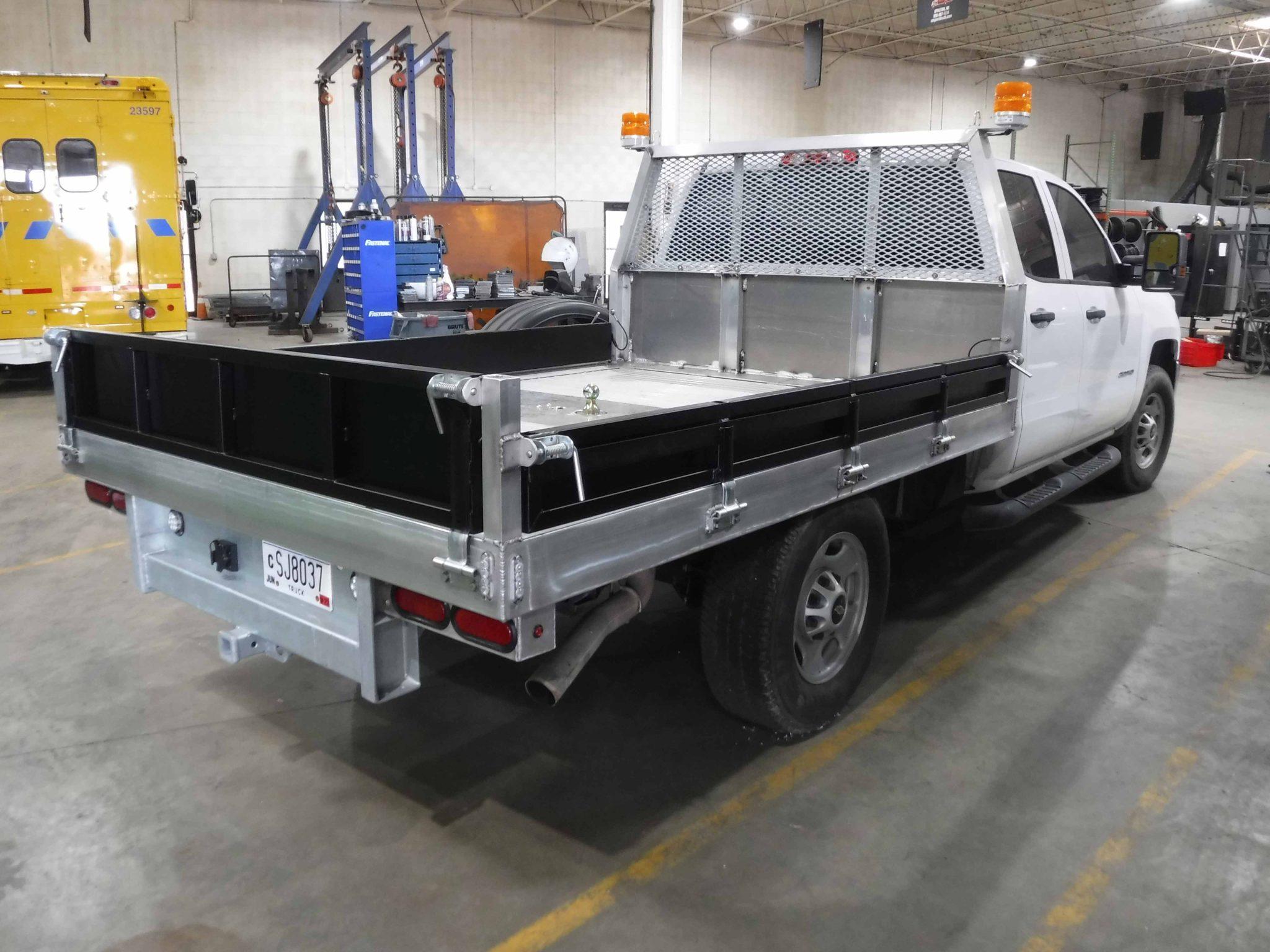
Quick Facts for 2026
- Deduction limit: $2,560,000, phasing out above $4,090,000 in purchases
- 100% first-year write-off for qualifying vehicles
- 100% bonus depreciation generally applies after Section 179, with no dollar cap
Examples are estimates, not quotes. Savings depend on your tax situation, and state rules can differ. Talk to your tax advisor.
Frequently Asked Questions
Is Section 179 the same as bonus depreciation?
No. Section 179 lets you deduct qualifying equipment costs up to a yearly limit. Bonus depreciation is a separate first-year deduction that generally applies after Section 179 and has no dollar cap. Your tax advisor can tell you how they work together for your business.
Does ordering by Dec. 31 count?
No. The equipment must be placed in service by Dec. 31, 2026. That means upfit, delivered, and ready to work. Because upfit timing matters, talk to a Regional rep early about your truck or van.
Will my truck or van upfit qualify?
It depends on weight rating, business use, and your tax situation. Share your truck or van details with a Regional rep, and confirm the tax side with your tax advisor.
Is this tax advice?
No. Regional Truck Equipment upfits trucks and vans. We are not tax advisors. Talk to your tax advisor about how Section 179 applies to you.