TRUCK SOLUTIONS FOR HVAC, PLUMBING & ELECTRICAL CONTRACTORS
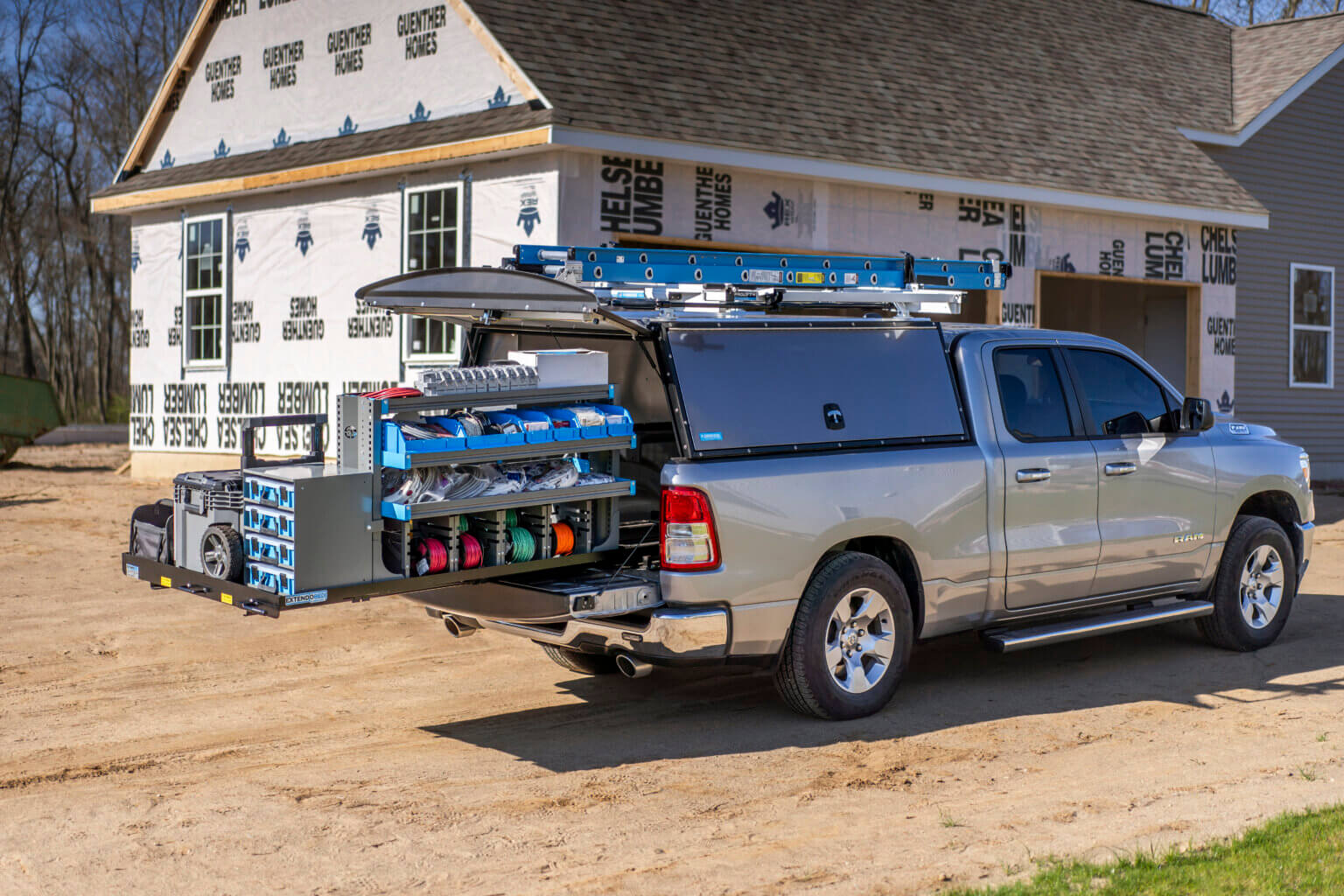
Regional builds work trucks and vans for HVAC, electrical, plumbing, and mechanical contractors who need their vehicles to work as hard as they do. Trade-specific layouts, fast turnaround, and upfits built around your crew, not a generic package.
WORK-READY UPFITS FOR THE TRADES
Electric • Plumbing • HVAC • Mechanical
We don’t start with products. We start with your challenges. Then we design work trucks backed by real experience, clear communication, and support from start to finish, so your technicians work smarter and your business keeps moving.
NO GENERIC SETUPS. WE BUILD FOR YOUR TRADE.
THE REGIONAL DIFFERENCE
Frequently Asked Questions
What does truck upfitting mean for HVAC and electrical contractors?
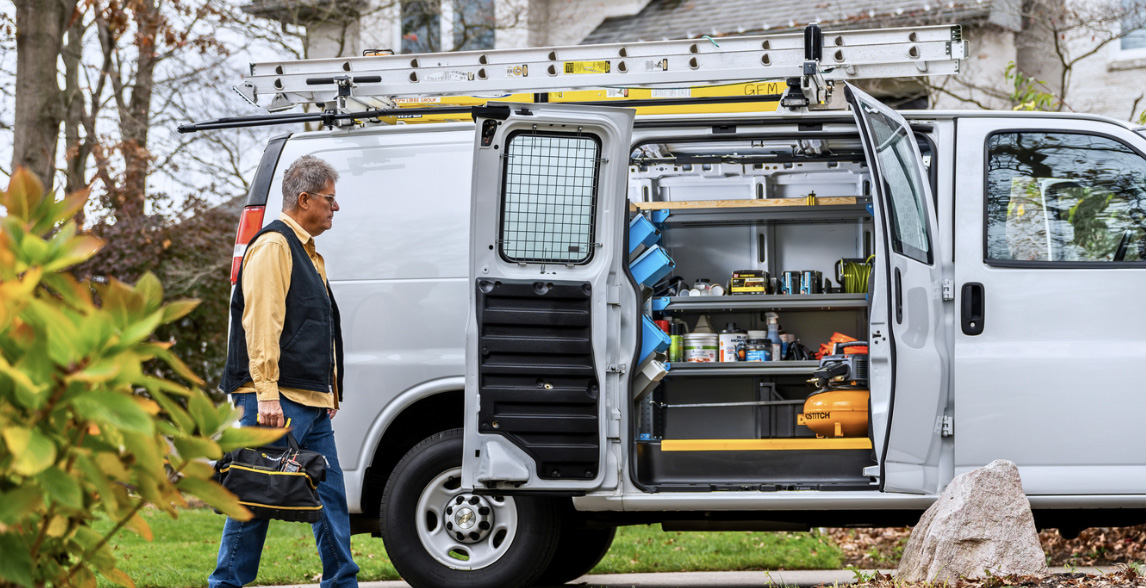
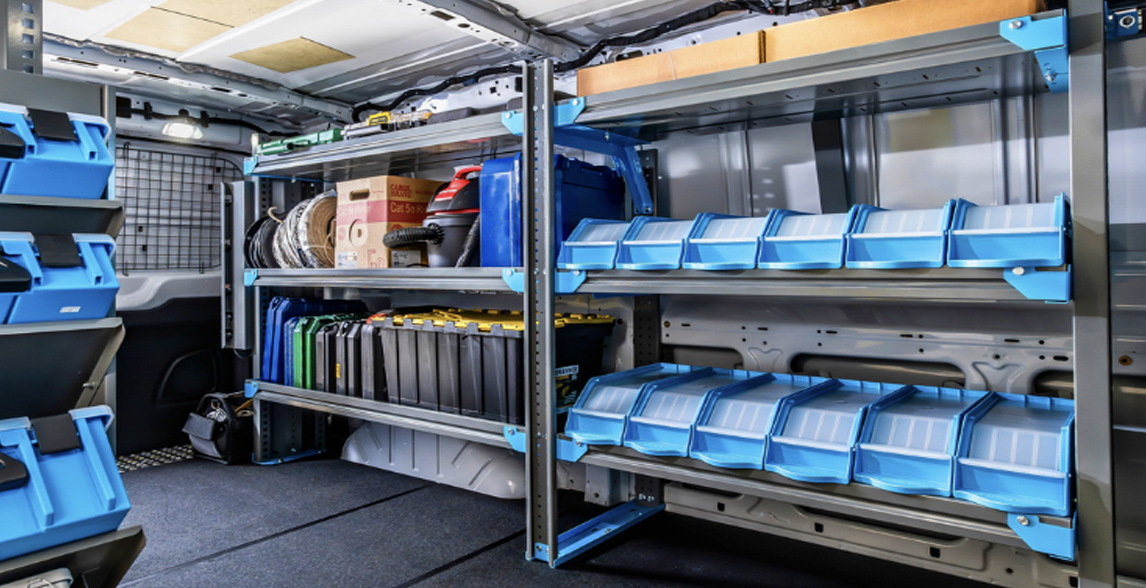
Truck upfitting means equipping your work van or truck with the shelving, storage systems, ladder racks, and organization solutions your technicians need to do their job efficiently. For HVAC and electrical contractors, that means purpose-built layouts for conduit, wire, pipe, small parts, and hand tools, so your crew spends less time searching and more time on the job.How do trade-specific van packages help HVAC contractors?
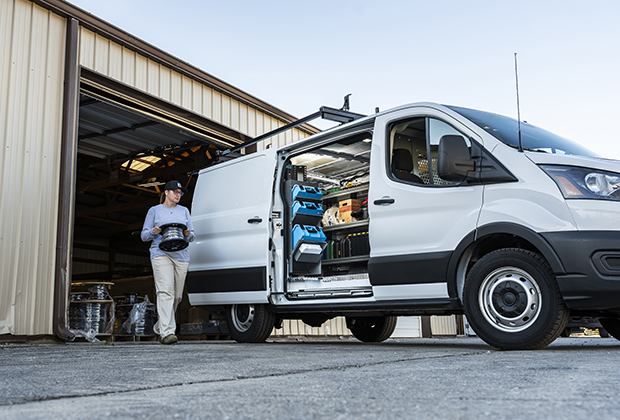
A properly upfitted van gives HVAC technicians organized, accessible storage for the equipment and materials they carry every day. Dedicated compartments for fittings, refrigerant, tools, and consumables reduce service call time, minimize cab clutter, and help technicians work more efficiently across multiple stops.
What upfitting options are available for electrical contractors?
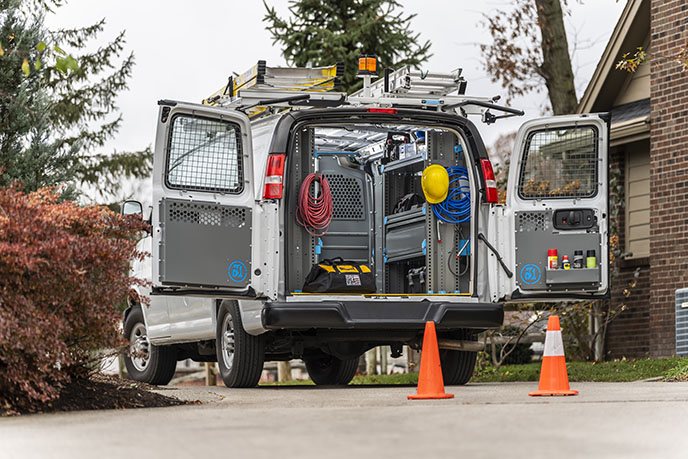
Electrical contractors typically benefit from shelving configured for small-parts organization, conduit carriers, wire storage, ladder racks, and secure tool storage. Regional builds van and truck packages around the specific needs of electricians — from single-vehicle setups to standardized fleet configurations.
How do trade packages benefit plumbing contractors?
Plumbing contractors need fast access to pipe, fittings, and tools across multiple job sites throughout the day. Upfitted vans with dedicated pipe storage, separated material compartments, and protected tool drawers help plumbers stay organized, reduce damage to materials, and move more efficiently between calls.
Can Regional standardize upfits across a contractor fleet?
Yes. Regional can build consistent layouts across multiple vehicles so every technician in your fleet works from the same setup. Standardized upfits reduce training time, improve inventory management, and allow technicians to step into any vehicle and get to work without relearning the layout.
How long does van or truck upfitting take?
Timelines vary based on the complexity of the build and the number of vehicles. A single van package can often be completed in a few days. Fleet projects or fully custom configurations may take longer. Regional works to provide clear timelines upfront so your vehicles are back on the road as quickly as possible.
What is the difference between a van package and a service body upfit?
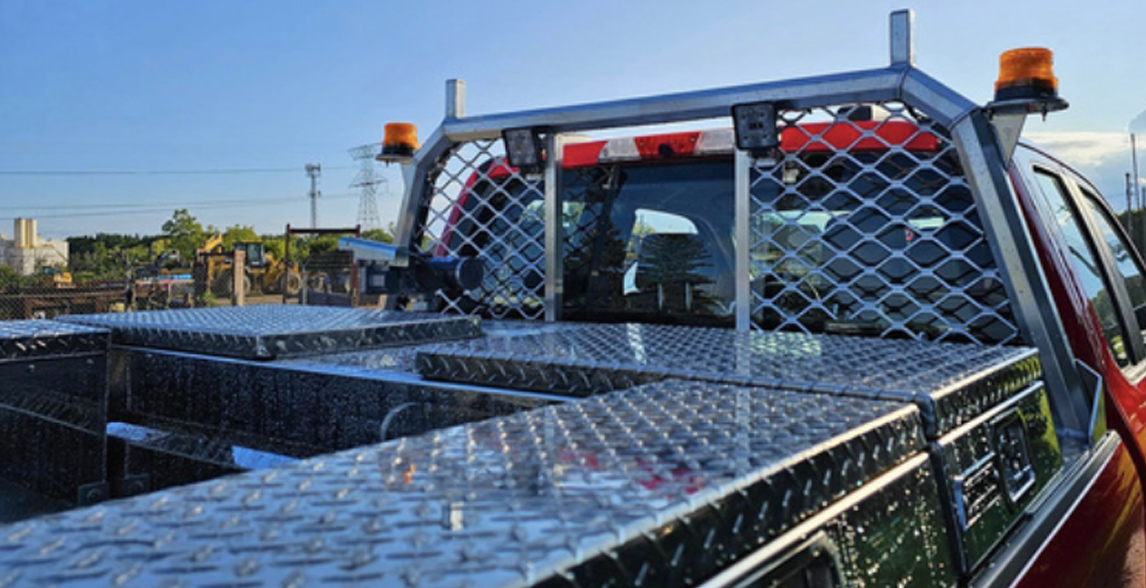
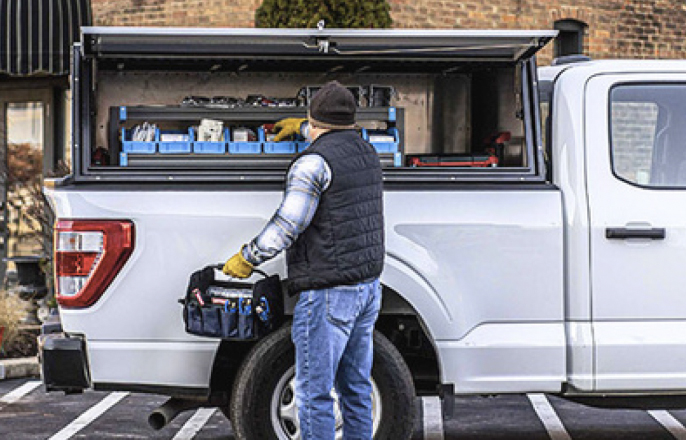
A van package typically involves interior shelving, storage, ladder racks, and organization solutions for cargo vans used by trades contractors. A service body upfit involves mounting a dedicated work body onto a truck chassis, providing open compartments and heavier-duty storage for larger tools and equipment. The right choice depends on your payload, trade requirements, and how your technicians work in the field.
How do I know which upfit is right for my trade?
The best upfit depends on your trade, the tools and materials your technicians carry, how many stops they make per day, and whether you need enclosed or open storage. Regional starts with your workflow and builds around it — reach out to discuss your application and we’ll help you find the right fit.